
We've been told that busyness equals worth, that exhaustion is a badge of honor. But what if that story is wrong? What if the most productive thing you can do is stop—and catch your breath?
The Myth of More
We pile obligations onto already full plates, then wonder why we feel stretched thin. The myth of more tells us that if we just work harder, we'll finally feel satisfied. But satisfaction isn't a destination you reach by sprinting faster. It's a state you cultivate by being present with what already exists. The more we chase, the less we actually experience. We were busy. But were we alive?
The Body Knows What the Mind Forgets
Our bodies send signals constantly—tension in the shoulders, shallow breathing. We've gotten so good at ignoring them that we barely notice until something breaks. Learning to listen is not weakness. It's wisdom. The body doesn't speak in words, but it speaks clearly. We just need to relearn how to hear it.
The Loneliness Beneath the Noise
We are surrounded by noise—notifications, updates, endless streams of information. Yet beneath all that, many of us feel profoundly alone. We reach for our phones in moments of silence, terrified of what might surface. But loneliness isn't cured by more noise. It's cured by presence—by showing up for ourselves and for others in ways that feel real.
Rethinking the Tools We Use
Technology is not the enemy. The question isn't whether to use it—it's how. Are we using it to enrich our lives or to escape from them? Some people turn to physical objects to explore their needs in private ways. A small sex doll might not be everyone's choice, but for someone seeking self-understanding, it can be an experiment in awareness. Similarly, the desire for a real sex doll speaks to a craving for warmth, for presence. These objects can be a bridge, not a destination.
The Gift of Empty Space
We fill our days with tasks because empty space feels dangerous. But empty space is where creativity lives. An unscheduled hour is not wasted. Staring out the window is not laziness. These moments of pause are not interruptions to productivity—they are its foundation.
Redefining Success on Your Own Terms
We inherit definitions of success from our culture. But these external markers often have little to do with what we actually value. The challenge is giving ourselves permission to define success differently. When you stop measuring your worth by other people's standards, you start to breathe deeper. Success is not a finish line—it's a way of moving through the world.
Learning to Stop
Stopping is not quitting. It's a strategic pause. The most effective people know when to push and when to rest. We can learn to stop in small ways: a five-minute breathing break, an evening without screens. These aren't indulgences—they're investments in your capacity to show up fully.
The Art of Doing One Thing at a Time
We pride ourselves on multitasking, but research is clear: it doesn't work. The art of doing one thing at a time is radical in its simplicity. When you eat, eat. When you listen, listen. When you work, work. This single practice can transform your relationship with time.
The Courage to Be Present
Presence takes courage. It means facing your own thoughts, your own fears. It means letting go of the illusion that you can control everything. But presence is where life actually happens—the best conversations, the deepest connections. They all happen when we are truly there.
Your Life Is Happening Right Now
It's easy to live in the future or the past. What's hard is living right here, in this moment. This moment is all you really have. The promotion you're chasing? It will come and go. The only thing that stays is your experience of being alive. So stop. Feel the ground beneath you. That is not a waste of time. That is the point.
 Протокол перевірки знань з охорони праці: що має ...
 Як зібрати підсвічування полиць із конекторами та контролером
 Як оцінити готовий бізнес: методи, мультиплікатори і реальні цифри ринку
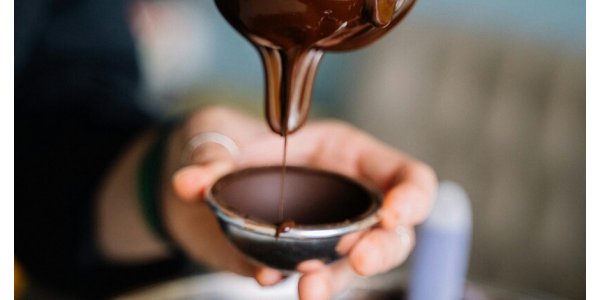 Як розтопити шоколад, щоб він не взявся крупинками
 Велосипеди для міста, спорту та відпочинку: як вибрати модель і де купити в Одесі